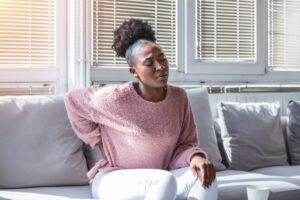
When we talk about periods, the conversation usually focuses on the physical symptoms—cramps, bloating, headaches, and fatigue. But for many women and girls, the most difficult part of menstruation isn’t physical at all. It’s emotional. Have you ever felt unusually anxious, irritable, overwhelmed, or sad in the days leading up to your period? You’re not imagining it, and you’re certainly not alone. The connection between menstrual health and mental health is real, yet it remains one of the least discussed aspects of reproductive health.
The Hormone-Mood Connection
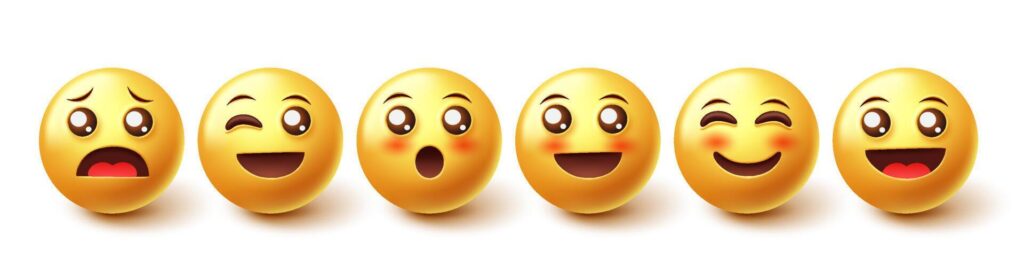
Throughout the menstrual cycle, hormone levels naturally rise and fall. Estrogen and progesterone play critical roles in regulating not only reproductive functions but also brain chemicals such as serotonin, which helps control mood, sleep, and emotional well-being. As hormone levels shift before menstruation, many women experience emotional changes ranging from mild irritability to significant mood disturbances. For some, this is known as Premenstrual Syndrome (PMS), which can include mood swings, anxiety, low energy, and difficulty concentrating. For others, the symptoms are much more severe. Premenstrual Dysphoric Disorder (PMDD) is a serious condition that can cause intense depression, anxiety, anger, and emotional distress that interferes with daily life, relationships, and work.
Yet biology is only part of the story.
The Emotional Impact of Stigma
Many girls grow up receiving the message that periods should be hidden, endured quietly, or treated as something embarrassing. These beliefs can have lasting consequences. When a natural bodily function is surrounded by shame and secrecy, it can affect self-esteem, confidence, and emotional well-being. Too many girls learn to suffer in silence rather than seek support or ask questions. I’ve seen this firsthand through my work with the HerFlow Foundation.
When Period Poverty Affects Mental Health
One of the most overlooked mental health challenges facing girls is period poverty.
Imagine worrying every month about whether you’ll have pads, how you’ll manage a leak at school, or whether you’ll be teased because of your period. For many girls, this isn’t hypothetical—it’s reality. Period poverty creates chronic stress, anxiety, and feelings of shame. It can lead to absenteeism, lower academic performance, social withdrawal, and reduced self-confidence. When a girl is constantly worried about managing her period, her mental health suffers alongside her education and overall well-being.
This is why menstrual health is about far more than products. It’s about dignity, confidence, and emotional wellness.
Supporting Your Mental Health During Your Period
If you notice changes in your mood around your cycle, there are practical steps that can help:
Track your cycle. Keeping a record of your moods, energy levels, and symptoms can help you identify patterns and prepare for difficult days.
Stay active. Gentle exercise, walking, stretching, or dancing can boost endorphins and improve mood.
Eat mindfully. Reducing excess caffeine and sugar while incorporating nutrient-rich foods may help stabilize energy and emotions.
Prioritize rest. Your body is working hard. Adequate sleep and intentional downtime matter.
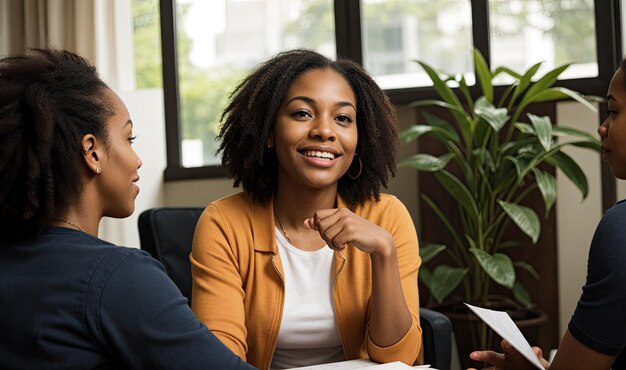
Talk about it. Sharing your experience with trusted friends, family members, or a counselor can reduce feelings of isolation.
Seek professional help when needed. If emotional symptoms become overwhelming or interfere with daily life, consult a healthcare professional. Conditions like PMDD are real, common, and treatable.
Creating a More Compassionate Culture
Improving menstrual health means improving mental health. We need homes where girls can ask questions without embarrassment, schools that provide accurate menstrual education, and workplaces that recognize the realities of menstrual health.
Most importantly, we need to normalize these conversations. Periods are not a weakness. They are not something to hide. And the emotional experiences that can accompany them deserve the same attention and care as physical symptoms.
Let’s Talk About It
How does your menstrual cycle affect your mood, energy, or mental health?
Share your experience in the comments. Your story may help another woman or girl realize she isn’t alone.
Because when we break the silence around periods, we create space for healing, understanding, and support.
About the Author
Shelly-Ann Weeks is a Sexual & Reproductive Health Educator, award-winning activist, and Executive Director of HerFlow Foundation. Through advocacy, education, and community engagement, she works to ensure that women and girls can manage their reproductive health with dignity, confidence, and access to the resources they need. Follow @shellyannweeks and @herflowfoundation for more conversations that challenge stigma and empower change.