For much of my life, I believed what many women are taught to believe: periods are supposed to hurt.
Not just a little discomfort. Real pain.
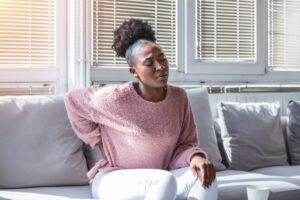
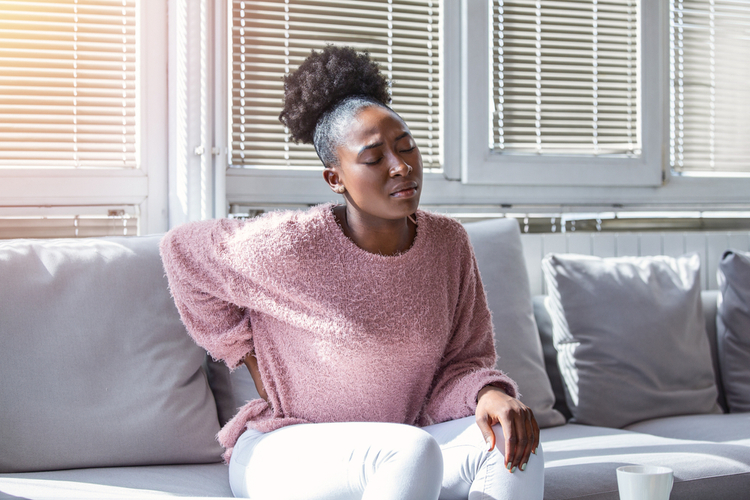
The kind of pain that forces you to rearrange your schedule, cancel plans, curl up in bed, and simply endure until it passes.
For years, I experienced heavy menstrual bleeding that lasted up to eleven days. I developed severe anemia. I was constantly exhausted. Simple tasks felt overwhelming. Eventually, I learned that I had massive fibroids contributing to many of my symptoms. Like countless women, I normalized my suffering because I thought it was simply part of being a woman.
Looking back, I wish someone had told me something different:
- Pain is not a feature of womanhood.
- Pain is information.
- Pain Is Your Body’s Way of Communicating
- Pain exists for a reason.
If you touch a hot stove, pain tells you to pull your hand away. If you sprain an ankle, pain tells you to rest and heal. Menstrual pain works similarly. While mild discomfort can be a normal part of menstruation, severe, debilitating, or persistent pain should never be dismissed automatically as “just part of having a period.” Pain can be your body’s way of signaling that something needs attention.
Fibroids. Endometriosis. Adenomyosis. Hormonal imbalances. Chronic inflammation. Nutritional deficiencies. Stress. Sleep deprivation.
The challenge is that many girls are taught to ignore these signals rather than investigate them.
We hand them a painkiller and tell them to get on with their day.
But what if instead we taught them to listen?
The Turning Point
My own journey taught me that while medical care is essential, the daily choices we make can have a profound impact on our health.
For years, my periods lasted up to 11 days. They were extremely heavy, intensely painful, and often accompanied by large clots that left me exhausted and struggling to function. Eventually, I was diagnosed with fibroids, which helped explain the severity of my symptoms and the anemia that followed.
As I prepared for fibroid surgery, I decided to conduct a personal experiment. For three months, I adopted a plant-dominant diet, eliminating dairy, meat, and ultra-processed foods. My goal wasn’t necessarily to cure my fibroids, but to support my body as much as possible before surgery.
What happened next surprised me.
The changes were remarkable.
My periods became significantly lighter and shorter. The debilitating pain that I had accepted as normal disappeared. Today, my periods are completely pain-free and last only about three days. Beyond my menstrual health, I noticed improvements in my energy levels, mental clarity, sleep quality, and overall sense of well-being.
While I recognize that every body is different and that dietary changes are not a substitute for medical care, this experience transformed the way I think about health. It taught me that what we eat, how we move, how we rest, and how we care for ourselves can influence far more than we realize. Most importantly, it taught me that suffering is not always something we simply have to accept. Sometimes, our bodies are waiting for us to listen.
While lifestyle changes are not a cure for every menstrual health condition, they taught me something powerful:
The body responds to how we care for it.
Five Lessons My Period Taught Me
1. What We Eat Matters
Food is more than fuel.
The nutrients we consume help regulate hormones, support blood production, reduce inflammation, and provide the building blocks our bodies need to function well.
When I became more intentional about what I was eating, I noticed changes not only in my menstrual health but in my overall well-being.
2. Exercise Is Magic
I used to think exercise was only about weight management.
Now I see it as one of the most powerful tools for menstrual health.
Regular movement improves circulation, supports hormone regulation, reduces stress, and can help lessen menstrual discomfort over time.
You don’t have to become a marathon runner. Walking, stretching, dancing, yoga, and strength training can all make a difference.
3. Sleep Is Non-Negotiable
Many of us wear exhaustion like a badge of honor.
But our bodies heal, repair, and regulate hormones during sleep.
When I prioritized rest, I noticed improvements in my energy, mood, and menstrual symptoms.
Sleep is not a luxury. It’s part of healthcare.
4. Hydration Changes Everything
One of the simplest changes I made was increasing my water intake, especially during menstruation.
Hydration supports circulation, reduces fatigue, helps the body function efficiently, and can even help ease certain menstrual symptoms.
Many women underestimate the impact of drinking enough water.
I certainly did.
5. Fight Inflammation with Food
I became intentional about incorporating anti-inflammatory ingredients into my meals.
Turmeric. Ginger. Garlic. Leafy greens. Fruits. Whole foods.
These weren’t miracle cures, but they became important tools in supporting my body’s overall health and reducing inflammation. Small changes, practiced consistently, can have a significant impact over time.
Changing the Conversation
What if we stopped treating period pain as a requirement for womanhood?
What if we viewed pain the way we view a warning light on a dashboard?
Not as something to ignore.
Not as something to fear.
But as information worth paying attention to.
I am not suggesting that every cramp signals a serious condition. Nor am I suggesting that lifestyle changes alone can solve every menstrual health challenge. What I am suggesting is that women deserve better than being told to simply suffer through pain. We deserve answers. We deserve support.
And we deserve to understand what our bodies are trying to tell us.
Final Thought
For years, I thought my body was betraying me. Today, I see things differently. My pain was communicating. It was asking me to pay attention.
What is your body telling you?
Are we listening?
Join the Conversation
Have you ever been told that painful periods are “just part of being a woman”?
What changed when you started paying attention to what your body was trying to tell you?
Share your story in the comments. Your experience may help another woman realize that suffering in silence is not her only option.
About the Author
Shelly-Ann Weeks is a Sexual & Reproductive Health Educator, award-winning activist, and Executive Director of HerFlow Foundation. Through advocacy, education, and community engagement, she works to ensure that women and girls can manage their reproductive health with dignity, confidence, and access to the resources they need. Follow @shellyannweeks and @herflowfoundation for more conversations that challenge stigma and empower change.